
The experts who decide which conditions states should include in their Recommended Uniform Screening Panel for newborns will now consider adding metachromatic leukodystrophy and Duchenne muscular dystrophy to the panel. The Health Resources and Services Administration, an agency of the Department of Health and Human Services, has opened a comment period during which the change will be considered.
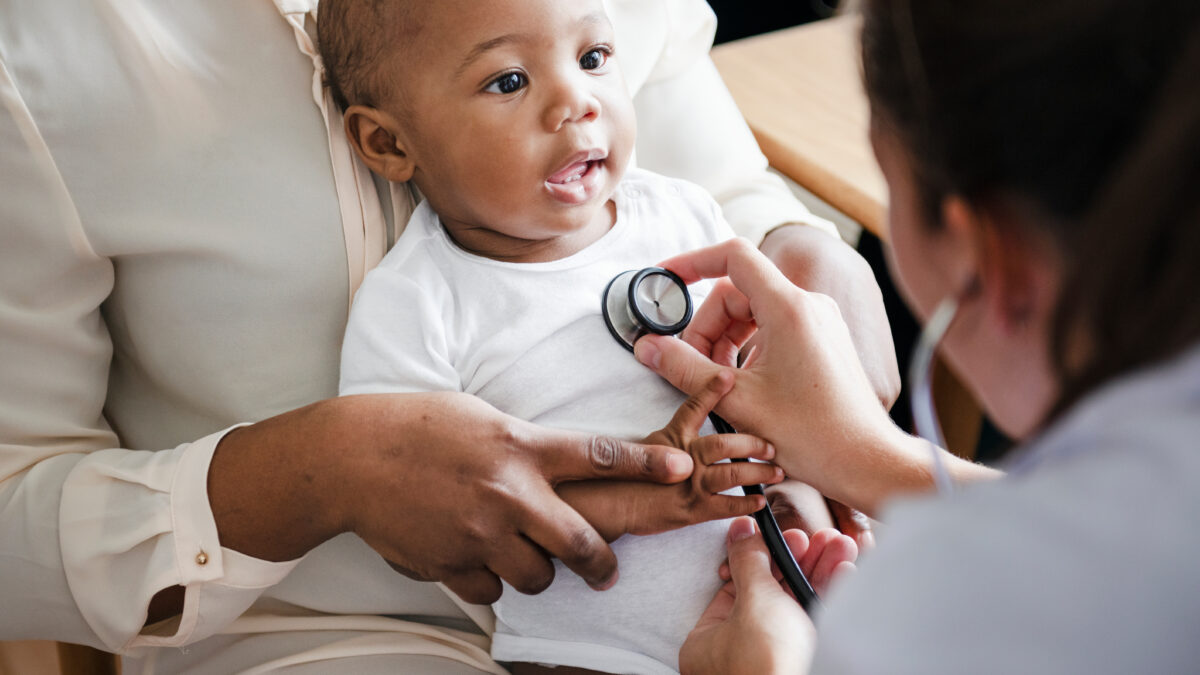
More than four million newborns are screened every year, and 13,000 of them will have a condition identified during screening. By detecting potentially dangerous disorders before symptoms appear, newborn screening increases the chances for early intervention and a healthier life.
Why Early Detection Matters
Metachromatic leukodystrophy and Duchenne muscular dystrophy are both rare, progressive conditions that can severely limit lifespan and quality of life. In both cases, earlier identification improves patient outcomes through resources, informed care and participation in clinical trials.
For some conditions on the panel, early detection allows for early intervention that can prevent severe disability or even death. Adding more conditions to screening further improves childhood health through proactive care.
How Do New Screenings Get Added?
The Recommended Uniform Screening Panel serves as a model, but states make the final decision on which conditions to include in their programs. Some adopt all recommended screenings, while others take additional steps before making changes. It’s important for diseases to be added to the screening panel so people with Medicaid and non-grandfathered health plans will have coverage. These health plans are required to cover included screenings without copays, coinsurance, or a met deductible.
If metachromatic leukodystrophy and Duchenne muscular dystrophy are added, states will face decisions about updating their own lists and ensuring resources for testing and follow-up care.
Public input during the current comment period will help government experts assess the benefits and challenges of expanding the panel. Newborn screening continues to set an example for evidence-based diagnosis and proactive care.