
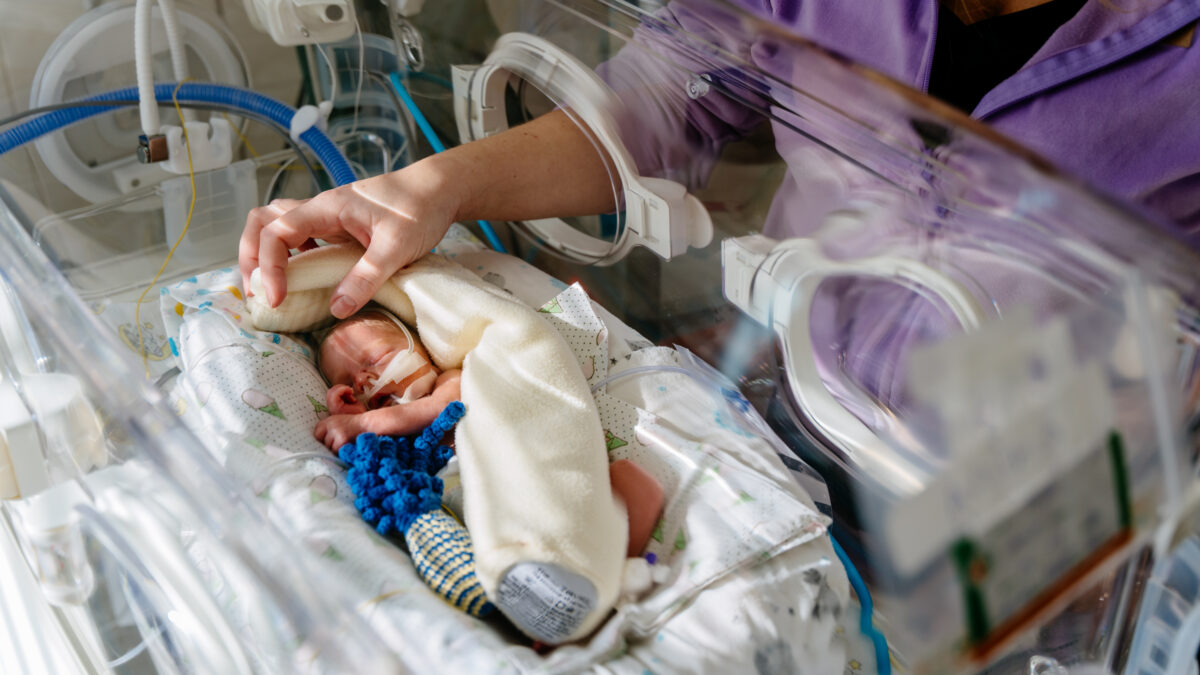
Babies born preterm are among those with higher mortality rates. Preterm birth is also hard on mothers, posing physical health challenges as well as high medical costs and periods of stress. For these mothers and babies, the passage of the bipartisan Prematurity Research Expansion and Education for Mothers who Deliver Infants Early Reauthorization, or PREEMIE Act, in the federal funding package represents a major stride toward secure care.
At the federal level, the act reinforces a commitment to maternal health and reducing risk to the nation’s youngest, most vulnerable citizens.
Data Collection Supports Better Outreach
The Centers for Disease Control and Prevention, or CDC, houses several programs responsible for collecting data on preterm births and researching root causes. When reporting is weak or underfunded, trends and disparities in infant deaths can go unnoticed, putting more lives at risk.
Some preterm births are caused by known risk factors, and testing mothers for these risks allows doctors to intervene. Where structural factors prevent access to prenatal care or the financial burden is too much for families, longitudinal research can identify trends and provide support.
Uniting Several Programs Toward One Goal
In particular, the bill establishes a single entity within the Department of Health and Human Services to coordinate federal activities. By aligning federal efforts, teams of researchers, clinicians and statisticians can advance efforts aimed at addressing preterm birth, infant mortality and adverse outcomes.
For the benefit of mothers, a complementary bill known as the Preventing Maternal Deaths Reauthorization Act also strengthens the CDC’s ability to collect data about adverse outcomes. Pregnancy-related deaths — defined as a death caused by a pregnancy complication occurring during pregnancy or within one year of the end of pregnancy — are overwhelmingly preventable with adequate treatment.
A nation might well be measured by how it treats its birthing mothers and newborn children. Reauthorizing programs to support research into risk factors, allowing scientists to collect and inspect national data on preterm births, is a necessary step toward safer beginnings for both mothers and babies.