
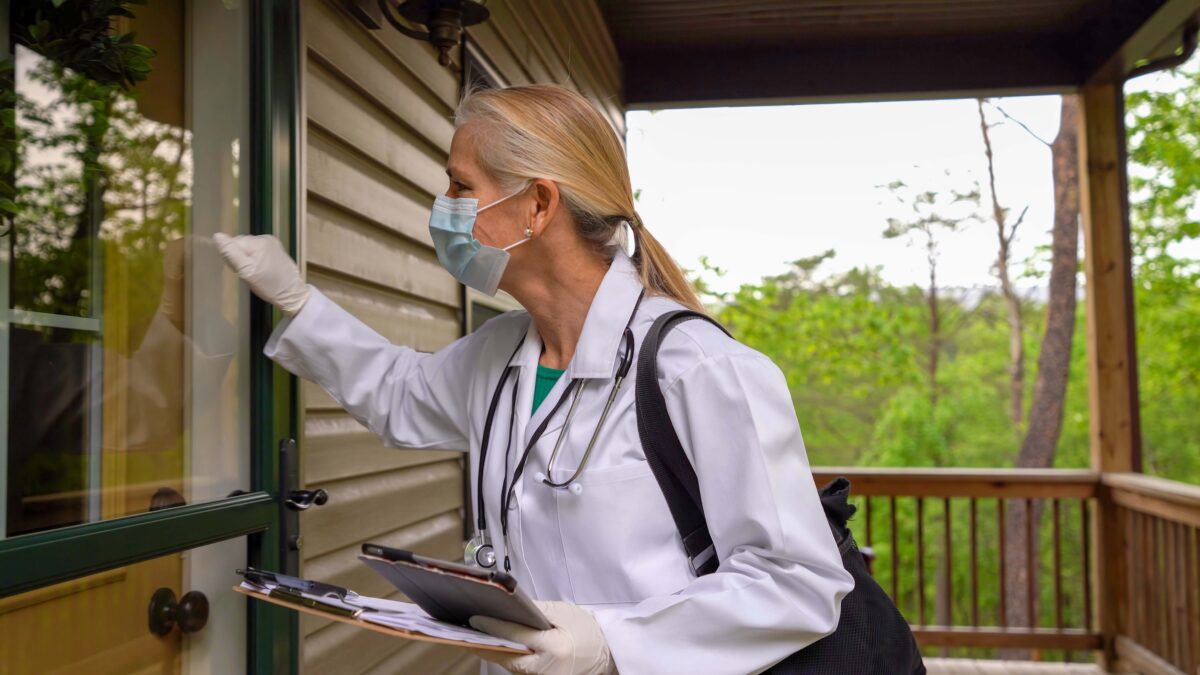
A recent pilot program funded by a federal grant has expanded the use of mobile telehealth – using vans equipped with medical staff, diagnostic tools and virtual connections to specialists – to reach rural populations with limited access to effective treatment. For patients with hepatitis C, a viral liver disease, reducing the time between diagnosis and treatment can significantly improve health outcomes.
Patients who can reach care quickly and easily, including access to testing and specialists if needed, are significantly more likely to accept and complete treatment. Telehealth vans adapt the medical infrastructure to meet these patient needs, lowering geographical and logistical barriers. This practical approach has been shown to improve the chances of recovery for rural populations.
From Diagnosis to Treatment in One Visit
Dr. Anthony Martinez, the medical director for Hepatology Care at Erie County Medical Center in Buffalo, NY, initiated this research, funded by grants from the National Institutes of Health and the National Institute on Drug Abuse. His mobile hepatitis treatment center documented hepatitis C treatment initiation and adherence rates double those of other services.
This model has increased the accessibility of care and patient adherence to treatment by meeting patients physically where they are, diagnosing hepatitis C and beginning treatment in the same encounter. Patients can even request the van to visit them. For hepatitis C, that means direct-acting antiviral medication delivered and a true cure in as little as eight weeks.
The rapid test-and-treat model has shown strong results by reaching underserved communities, improving outcomes and supporting long-term recovery in prisons, shelters and urban encampments. Rural Americans face the same disproportionately high rates of infection and barriers to access, so the hope is that extending this model will help yield similar health improvements.
Scaling Success Requires Investment
Treatments for advanced hepatitis C can be expensive — up to $300,000 by one estimate — and less reliably effective than early intervention. While a curative course can cost up to $25,000, a cured patient is likely to avoid the costly deterioration, making the investment a wise one for public and private insurers.
Federal funding mechanisms and community health grants have played a key role in launching these efforts. Earlier trials with Medicaid reimbursements alone were not cost-effective. Sustaining and expanding these programs will require continued, conscious investments.
Measurable gains in treatment initiation and adherence suggest this investment will ultimately save money, as stopping the progression of hepatitis C avoids later complications.
Immediate, accessible care delivered via mobile telehealth outreach has the potential to close longstanding gaps in access and outcomes — but only with consistent funding.