Nothing is more nutritious and beneficial to a newborn baby than its own mother’s milk. But when reality has other plans, neonatal intensive care units, or NICUs, across the country rely on donated human milk for medically fragile infants. When its own mother’s milk is not available or in short supply, supplementing with donated human milk can support healthier outcomes during crucial stages of infant brain development. For those born preterm, the nutritional “catching-up” is even more important.
Given its utility for the nation’s most vulnerable citizens, clear regulatory guidelines are needed for the screening and handling of donor milk. The U.S. Food and Drug Administration, while it monitors the ingredients of everything from ketchup to castor oil, has not yet established baseline safety standards for the human milk NICUs depend on. The bipartisan DONOR Milk Act would change that.
The Benefits of Human Milk
Human milk is uniquely suited to support infants in the crucial neonatal period, offering babies neurological, immunological and digestive benefits. Whether from the birth mother or a donor, human milk helps to reduce devastating diseases that disproportionately impact premature and hospitalized infants, including intestinal damage from necrotizing enterocolitis. For this protective benefit and others, the American Academy of Pediatrics recommends breastfeeding — or pasteurized donor human milk, where appropriate — for high-risk and medically vulnerable infants.
Protection for Babies
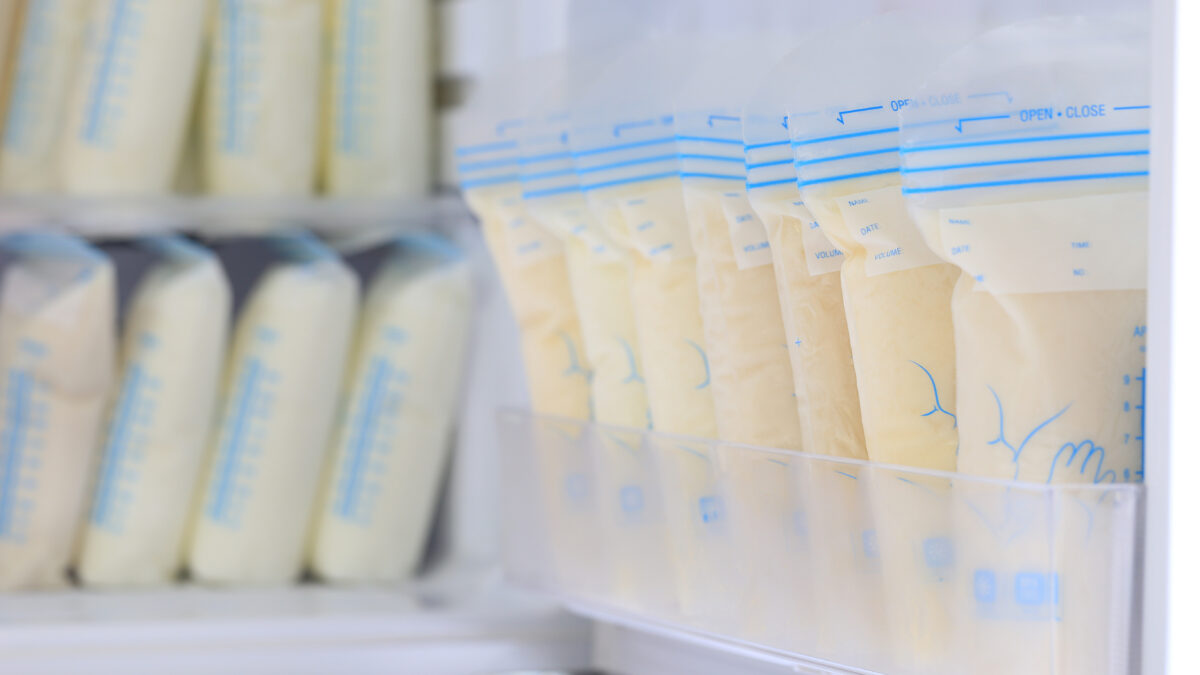
As awareness of the medical value of human milk has grown, new parents have begun sharing both information and refrigerated pouches of milk to support vulnerable babies. Volunteer donor milk sharing is well-intended and beneficial, but largely unregulated. To ensure the accessibility of donor milk, regulations must be implemented in a manner that does not create unnecessary barriers, and maintains affordability and accessibility of donor milk while also improving safety for infants.
Human milk is a lifesaving nutritional resource, and generous families want to help others who may not be able to provide human milk for their babies. When screening and banking of donated milk is too costly, families sometimes exchange unregulated, unpasteurized milk that provides great benefit — but also introduces new risks, like pathogens.
By supporting this donation infrastructure with appropriate regulatory oversight, the DONOR Milk Act would help ensure that infants can safely access donor human milk with added protection against avoidable infant diseases while improving health care outcomes.