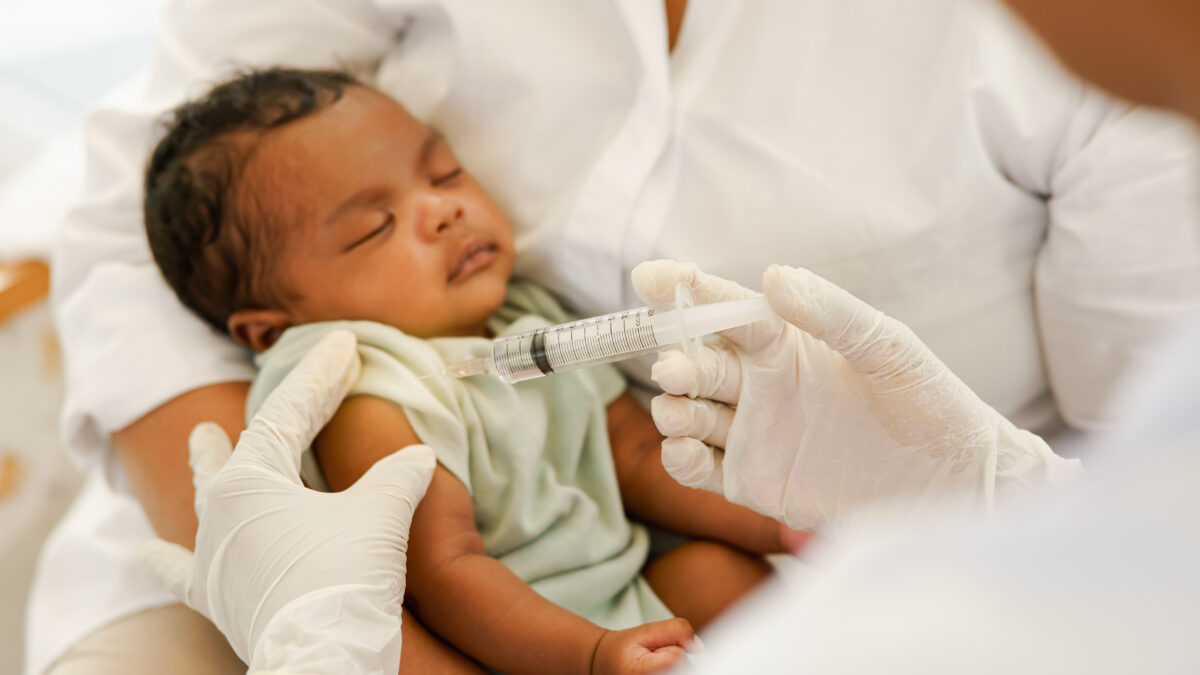

A familiar childhood vaccine is at the center of a major shift in federal vaccine policy. President Trump’s new executive order calls for the combined MMR vaccine to be replaced with separate measles, mumps and rubella shots once those products become available. The administration is also seeking public input on broader changes to how federal vaccine recommendations are developed and categorized.
Signed August 10, the order calls for the measles, mumps and rubella vaccine to be offered as three separate shots, instead of as the combination MMR vaccine. Once those individual injections are available domestically, the guidance suggests they be offered at separate medical appointments, instead of all at once. Public health experts say the consequence is likely to be delayed protection for some young recipients and missed doses for many more.
Protect Progress Against Measles
Cost-effective, fully protective, combination vaccines will still be available for parents who consent and children who fall into low-risk categories. Experts urged parents to talk to a trusted clinician about what is best for their individual children.
The White House says its “gold standard” guidance puts the US more in line with other developed countries, but the individual vaccines have not been used in the US for more than 50 years.
More than 210 professional health organizations signed a joint statement of concern, condemning the executive order as inconsistent with empirical research. The unnecessary shift, according to the pharmacists, scientists, doctors, nurses and professionals who signed, risks eroding “confidence in childhood vaccinations,” leaving “children less protected and families more confused.”
HHS Seeks Input on Broader Vaccine Changes
The executive order may also lead to broader changes in how federal vaccine recommendations are developed and communicated. On August 21, HHS announced a Request for Information seeking public input on the categories used in federal vaccine recommendations and the role of shared clinical decision-making.
These questions could influence not only how vaccines are recommended, but also how families and clinicians interpret federal guidance. As federal guidance continues to shift rapidly, any changes to the recommendation framework should be grounded in strong evidence, clearly communicated and designed to support informed conversations between parents and trusted health care providers.
Spacing Out Vaccines Carries Risks
Creating extra barriers for full vaccine protection in the form of multiple medical appointments is likely to decrease the rate of vaccine schedule compliance even for families who don’t have concerns about safety. The likely result is fewer children that are fully protected and more lives at risk.
Vaccine-preventable diseases are resurgent in America. Amid a 35-year high in US measles cases, increased requests for vaccine exemptions and falling rates of full vaccination among kindergarteners, clear guidance from the medical community is more important than ever.