
October is both RSV Awareness Month and the start of the 2026–27 RSV season.
The first of millions of patients will contract respiratory syncytial virus and experience mild, cold-like symptoms. For some, RSV will lead to serious respiratory illnesses like bronchiolitis or pneumonia.
About RSV
The first few months of life are when babies face the most severe risk, as their immune system is still developing. Several other health complications can place infants at a higher risk, including prematurity, chronic lung disease and congenital heart disease.
Before RSV immunization and vaccine options became available, between 58,000 and 80,000 children under 5 were hospitalized due to RSV each year. Now that there are preventative options available, parents can reduce the risk of serious complications and hospitalization associated with RSV.
Protecting All Children
The American Academy of Pediatrics and the CDC recommend babies be protected in one of two ways:
- Maternal RSV vaccine: Pregnant women between 32 and 36 weeks of pregnancy should receive a single dose of this vaccine. Vaccination during this window allows protective antibodies to be passed along to the baby, meaning they do not need to receive antibodies after birth.
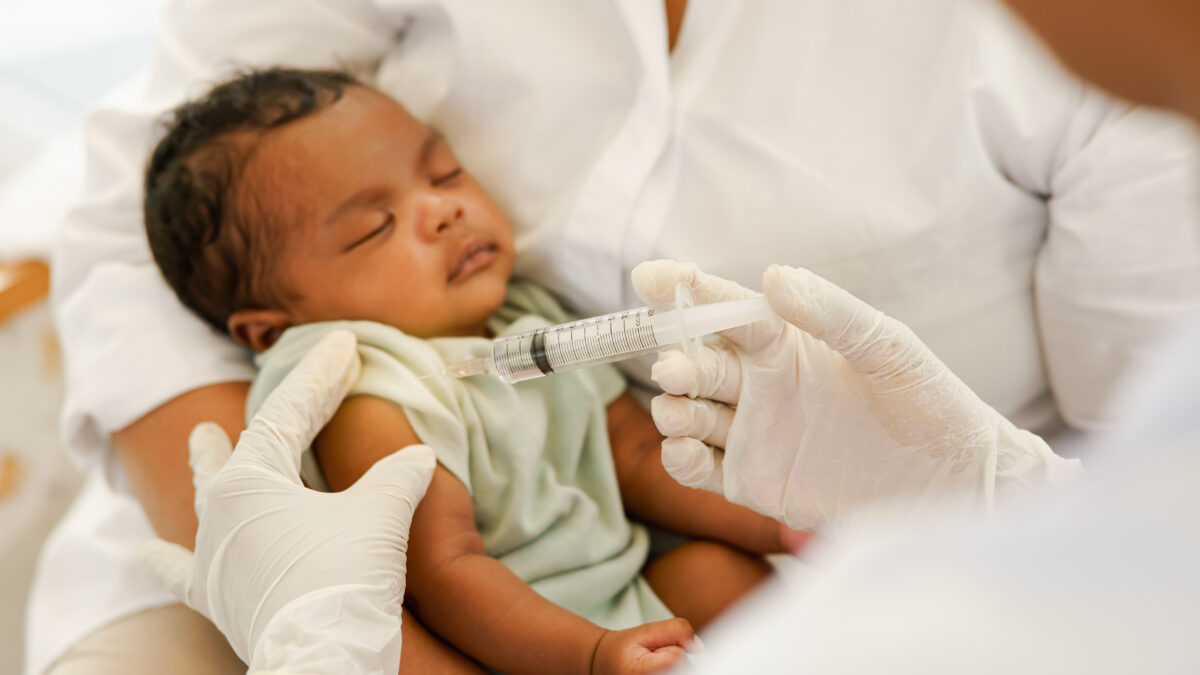
- Infant preventive monoclonal antibody: Infants should receive this antibody if the mother did not receive the vaccine or the baby was born within 14 days of maternal vaccination. Infants can receive this antibody before they leave the hospital or at a pediatrician’s office.
New Guidelines Expand Protection
Previously, RSV preventive monoclonal antibodies were recommended for all eligible infants younger than 8 months entering their first RSV season and for certain high-risk children entering their second season. The AAP has now broadened the high-risk criteria for children ages 8 through 19 months entering their second RSV season, allowing more vulnerable children to qualify for protection.
Parents, caregivers and family members can also play a role in prevention by stopping the spread of germs by washing hands, cleaning surfaces and avoiding contact with others who are sick.
An ounce of prevention can go a long way. RSV infections can move quickly from ordinary sniffles to serious illness. Keeping infants out of the hospital starts with education about preventive options to help parents make the best health care decisions for their infants.