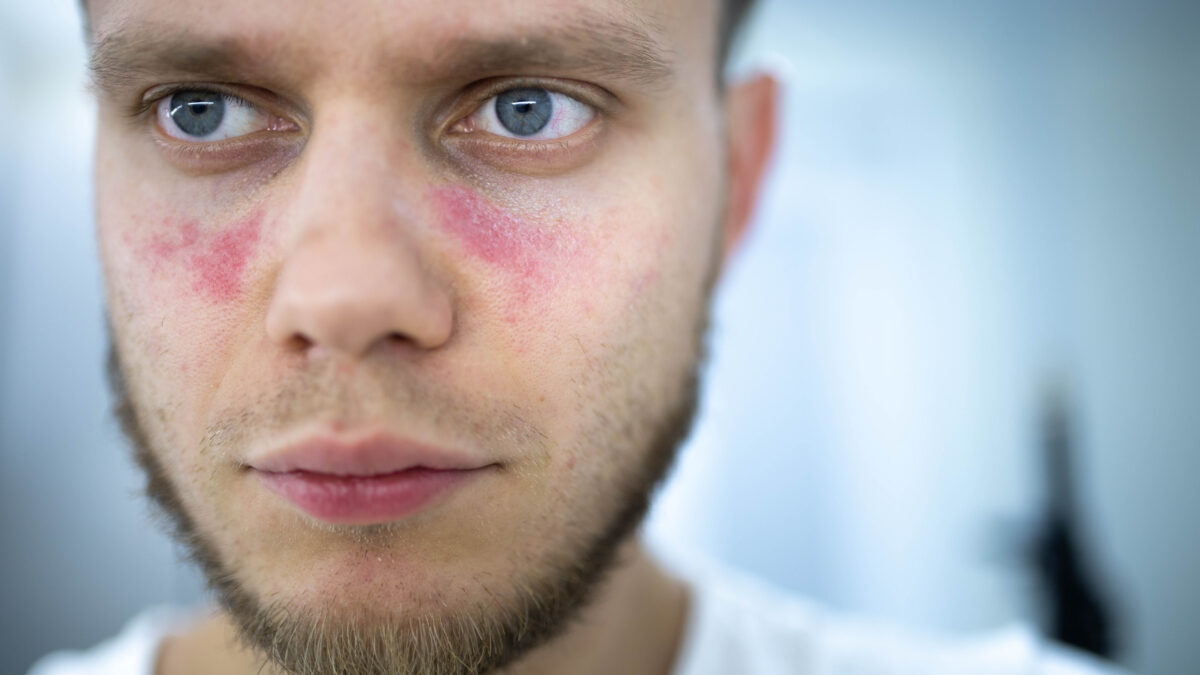
Cutaneous lupus erythematosus, or CLE — lupus that impacts the skin — is a chronic autoimmune disease that can cause painful rashes, inflammation and permanent scarring. Although CLE is estimated to be two to three times more common than systemic lupus erythematosus, or SLE, it often receives less attention because SLE is the condition people are more familiar with. For patients living with CLE, limited awareness and treatment options can make managing the disease particularly challenging.
CLE develops when the immune system mistakenly attacks healthy skin cells. It can occur on its own or alongside SLE, a condition that can affect organs throughout the body. While the direct effects of CLE impact the skin, indirect effects can significantly worsen a person’s quality of life, influencing their sleep, confidence and emotional well-being.
Beyond the Skin
CLE can manifest in several forms, including:
- Acute cutaneous lupus, characterized by a malar rash on the cheeks and nose, and does not last long or leave permanent scarring.
- Subacute cutaneous lupus, characterized by a red scaly rash or red ring-shaped sores, and does not scar but can leave discoloration.
- Chronic cutaneous lupus, which has several subtypes, can last a long time and leave permanent scarring.
Ultraviolet exposure can worsen symptoms, and smoking is associated with more severe disease.
The condition disproportionately affects Black Americans and women ages 20 to 50. Some patients may also develop systemic lupus after the onset of CLE, making timely diagnosis and ongoing monitoring important.
For many patients, visible skin changes are only part of the challenge. Scarring, changes in appearance and uncertainty about future flare-ups can affect social interactions and emotional health. These experiences underscore the need for greater recognition of CLE and its impact on patients, especially those living in underserved and rural communities who have less access to treatment and specialists.
Advancing CLE Care
Despite its prevalence, CLE has fewer treatment options than systemic lupus. Many existing therapies are approved for SLE rather than CLE specifically, and they may provide inadequate relief or carry significant side effects. Patients may cycle through treatments without finding one that adequately controls their symptoms.
Research is beginning to offer new possibilities. The Lupus Foundation of America has highlighted promising clinical trial findings for investigational treatments, including litifilimab, that could expand future options for patients with CLE. Continued research is needed, however, to establish their safety and effectiveness.
Improving CLE care will require greater awareness among patients and clinicians, more research focused specifically on the disease and continued investment in treatment development. Policymakers can also help by investing in clinical research, supporting timely regulatory review and ensuring patients have access to appropriate specialty care.
For people living with CLE, progress means having more effective options to manage symptoms and prevent lasting damage. Bringing greater attention to this often-overlooked condition is an important step toward making that possible