For many women, an annual well-woman exam is one of the few opportunities to discuss their health with a clinician. These visits often address reproductive health, preventive screenings and other concerns. But one common neurological condition may be missing from the conversation: migraine.
Migraine disproportionately affects women, yet many cases go undiagnosed or undertreated. Adding migraine screening to routine well-woman visits could help identify symptoms earlier and connect more women with appropriate care.
Looking Beyond Reproductive Health
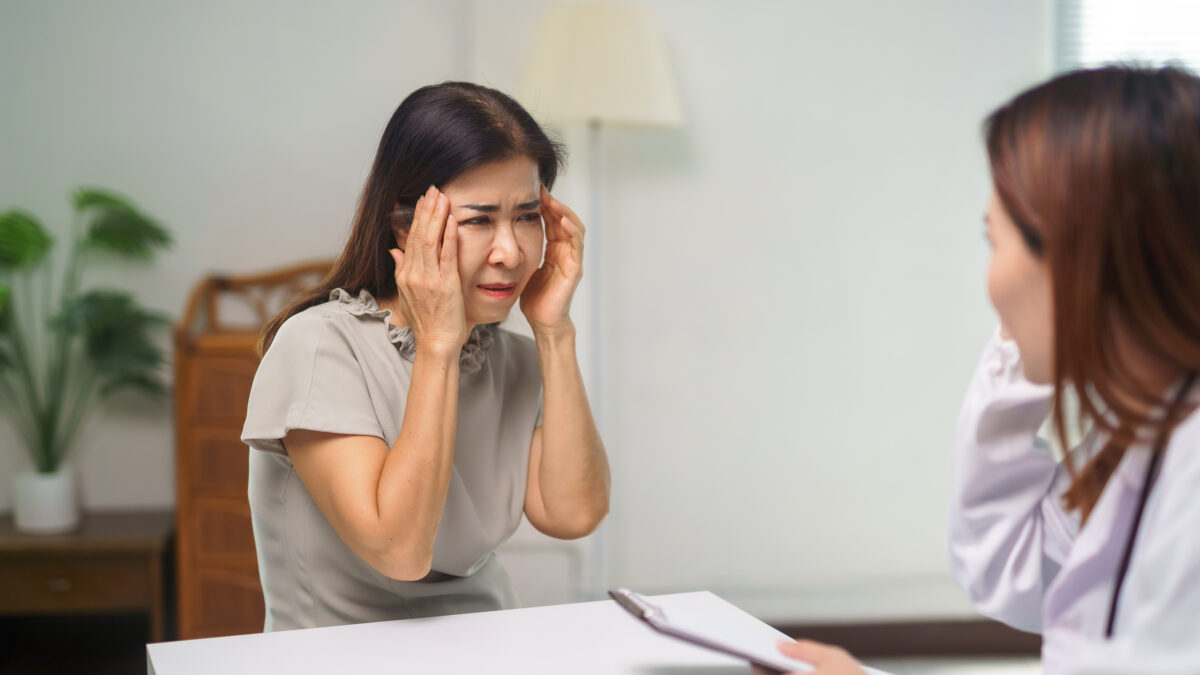
Migraine is more than an occasional headache. Attacks can cause severe pain, nausea and sensitivity to light or sound, sometimes making it difficult to work, care for family or complete everyday activities. For women experiencing recurring symptoms, the effects can be significant.
Despite its impact, migraine may go unrecognized during routine health care visits, particularly when patients do not raise their symptoms or recognize them as signs of a neurological condition.
The American Headache Society recommends migraine screening as part of routine women’s health care from adolescence through menopause. Incorporating a few questions about recurring headaches and related symptoms into annual visits could help clinicians recognize patients who may need further evaluation.
The Headache & Migraine Policy Forum has also emphasized the importance of screening women, particularly during preventive appointments that patients may already be attending.
Screening Opens Doors to Care
Well-woman visits provide a practical setting for discussing migraine symptoms. A brief screening can help clinicians determine whether a patient may benefit from additional evaluation, treatment or referral to a headache specialist.
These conversations are especially important because women may not seek separate medical attention for headaches, even when symptoms interfere with daily life. Without a diagnosis, they may continue managing attacks on their own rather than receiving appropriate treatment.
Advocates have previously called for migraine screening to become part of the well-woman visit. Making that practice more widespread could help close gaps in diagnosis and treatment.
For millions of women living with migraine, better care may begin with a simple question during an appointment they already have on their calendar.