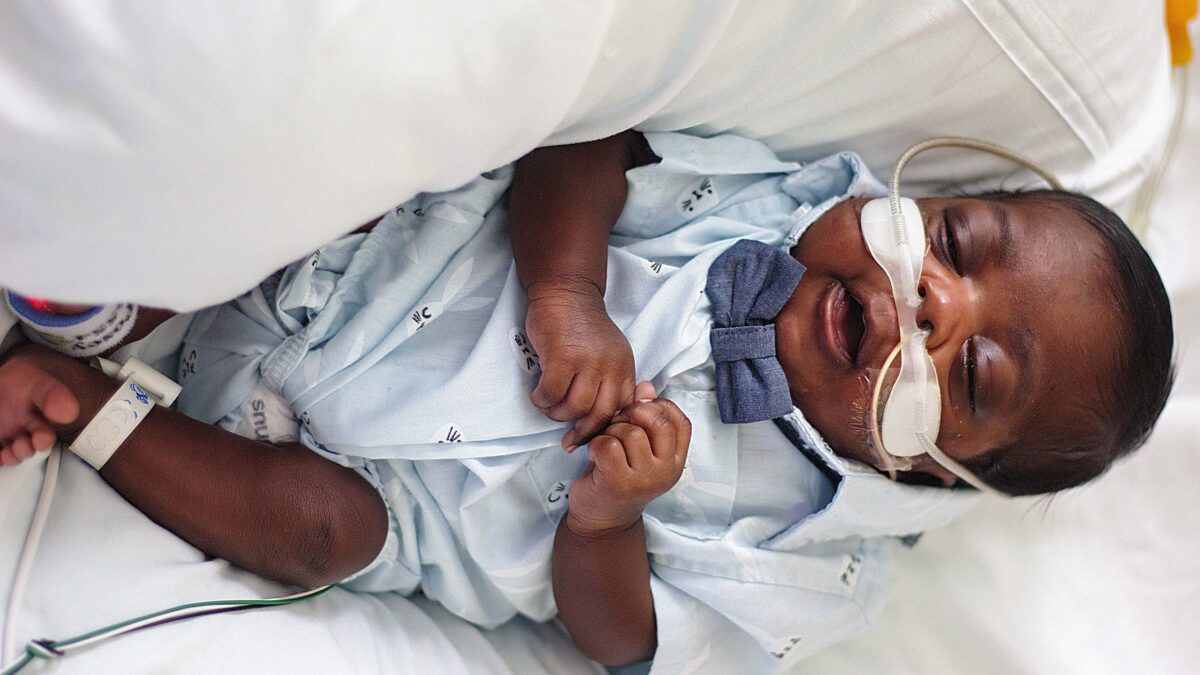
The final weeks of pregnancy are crucial: the brain, lungs, liver and eyes are all still developing. In about 1 in 10 cases, that process is interrupted by preterm birth before 37 weeks of pregnancy.
Serious short-term complications of preterm birth include respiratory distress and hypothermia. Long-term effects include anemia, cerebral palsy and learning difficulties. Up to 15% of infant deaths are connected to preterm births.
November is Prematurity Awareness Month, dedicated to raising awareness about the risk factors and impacts of preterm birth and improving outcomes for babies and families.
Supporting Healthier Pregnancies
Not every preterm birth can be prevented, and some have no clearly identifiable cause. But experts know that avoiding tobacco and alcohol use during pregnancy, spacing out pregnancies, and getting early prenatal care to manage chronic conditions can all improve the odds of a healthy, full-term pregnancy.
Other risk factors include obesity, hypertension, and being underinsured, each of which is also correlated with a lack of access to resources. Prioritizing healthy pregnancies is a key component of social equity efforts.
Advancing Research
Federal policy also plays a role in improving outcomes. The PREEMIE Reauthorization Act renews these efforts.
The act reauthorizes funding for scientists to better assess risk factors, improve data collection and coordinate programs that offer on-the-ground help. The better experts understand preventable risks and the role of clinical care, the better they can equip clinicians and families to reduce birth emergencies.
Healthier beginnings don’t just depend on mom and doctor, nor on medical advances alone. Education, prevention and accessible prenatal care all contribute to giving babies the strongest possible start.