
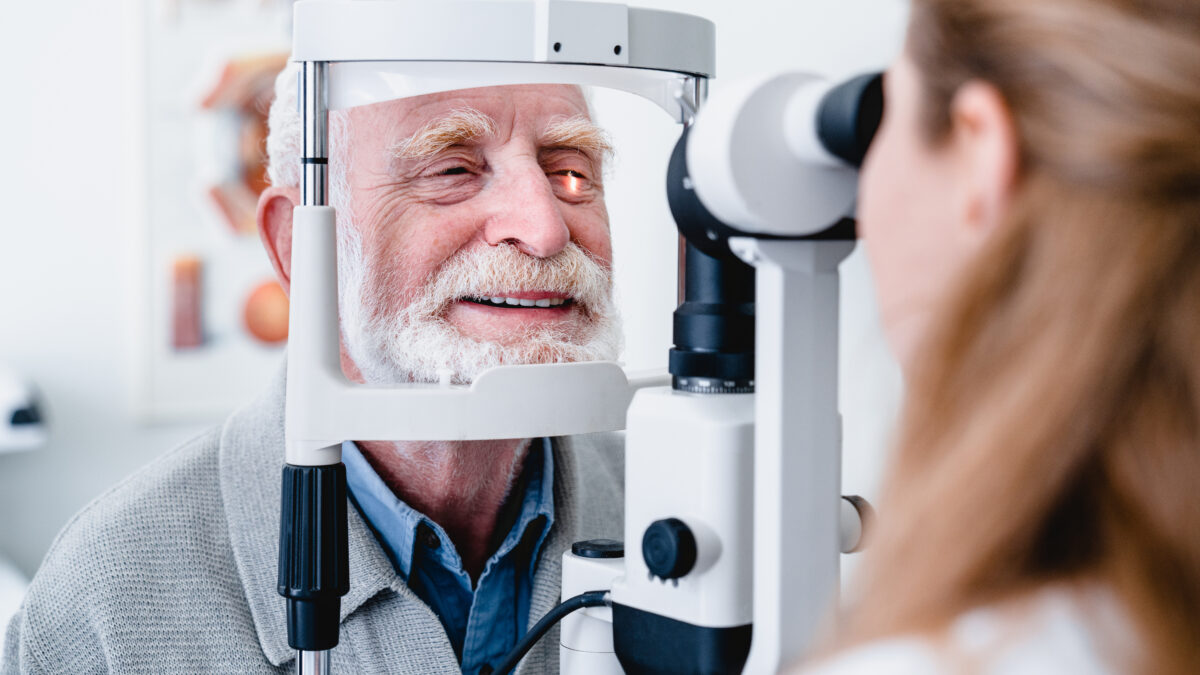
Age-related macular degeneration, or AMD, is one of the leading causes of vision loss among older adults, and its impact is expected to grow in the coming decades. As the population ages, researchers project that the number of people living with AMD worldwide could reach nearly 300 million by 2040. While advances in treatment have improved outcomes for many patients, recent federal reductions in vision and eye health funding highlight the importance of continuing to invest in awareness, early detection and patient support.
Vision loss affects much more than a person’s ability to see. For many individuals living with AMD, declining vision can make everyday activities like driving or recognizing faces increasingly difficult. These changes often contribute to anxiety, depression and social isolation as patients lose confidence in their independence. Recognizing the emotional impact of AMD is just as important as managing its physical effects.
Living With Low Vision
Early diagnosis remains one of the most effective ways to help preserve vision. According to the Age-Related Macular Degeneration: Epidemiology, Pathophysiology, Diagnosis, and Treatment review, identifying AMD before significant vision loss occurs allows patients to benefit from treatments and ongoing monitoring that may slow disease progression. Regular eye exams and prompt evaluation of vision changes remain critical components of care.
For patients who experience permanent vision loss, comprehensive rehabilitation services can make a meaningful difference. Low-vision therapy, orientation and mobility training, assistive technologies, and mental health support can help individuals adapt, remain independent and maintain their quality of life.
Investing in Vision Health
As the number of people living with AMD continues to rise, maintaining access to vision care must remain a priority. The recent one-third reduction in federal vision and eye health funding has raised concerns among advocates who worry that fewer resources could limit education, early detection and patient support programs. Prevent Blindness’ analysis of the 2026 funding reductions outlines the potential impact these cuts may have on vision health initiatives.
Protecting vision means protecting independence and quality of life. Continued investment in awareness, early diagnosis, rehabilitation services and patient education can help ensure that more people living with AMD receive the care and support they need to thrive.